Are you in your 40s or 50s and noticing changes in your body? Maybe you’re finding it harder to maintain muscle mass, your energy levels aren’t what they used to be, or you’re dealing with health concerns like high blood pressure, high cholesterol, or prediabetes. It’s a common story. As we age, our bodies’ needs change, and getting the right nutrition, especially enough protein, becomes increasingly important. You might be confused about how much protein you really need, especially with all the conflicting information out there. Are you getting enough? Are you getting the right kind?
Not getting enough protein, or consuming the wrong types, can have a significant impact on your health and well-being, especially as you navigate your 40s and 50s. It can lead to muscle loss, making it harder to stay active and maintain a healthy weight. This muscle loss can slow down your metabolism. A lack of protein can also weaken your immune system, leaving you more vulnerable to illness, and slow down healing. You might feel constantly tired and sluggish, lacking the energy to enjoy your life to the fullest. Furthermore, if you’re dealing with conditions like high blood pressure, high cholesterol, or diabetes, inadequate protein intake can make these conditions even harder to manage. It can lead to spikes in blood sugar, and make you feel hungry more often.But what if you could reclaim your energy, support your muscles, and improve your overall health by making sure you’re getting the right amount and type of protein? The good news is, you can! By understanding your body’s protein needs and incorporating high-quality protein sources into your diet, especially as a part of an overall healthy lifestyle, you can make a significant difference in how you feel and function. The Mediterranean diet, renowned for its health benefits, offers a delicious and sustainable way to optimize your protein intake while also addressing concerns like blood pressure, cholesterol, and blood sugar.
Why Protein Matters, Especially Now:
Protein is essential for numerous bodily functions. It’s not just about building and maintaining muscle (although that’s crucial!). Protein also plays a vital role in:
•. Satiety: Protein keeps you feeling full and satisfied longer, helping you manage your weight and avoid unhealthy snacking.
•. Hormone Production: Many hormones, like insulin and human growth hormone, are made of protein.
•. Enzyme Activity: Enzymes, which drive countless chemical reactions in the body, are proteins.
•. Immune Function: Antibodies, the defenders of your immune system, are made of protein.
•. Tissue Repair: Protein is needed to repair and rebuild tissues throughout the body.
•. Blood Sugar Control: Protein helps regulate blood sugar levels by slowing down the absorption of carbohydrates. This is especially important for people concerned about developing type 2 diabetes.

How Much Protein Do You Need?
The general recommendation is 0.8 grams of protein per kilogram of body weight. However, your needs may be higher if you’re:
- Over 40: To combat age-related muscle loss, often called sarcopenia, aiming for 1.2-1.6 grams of protein per kilogram of body weight may be beneficial.
- Physically Active: If you exercise regularly, especially strength training, you’ll need more protein to support muscle growth and repair. A good range for active individuals is 1.2-2.0 grams per kilogram of body weight.
- Managing a Chronic Condition: If you have diabetes, heart disease, or another chronic condition, consult with your doctor or a registered dietitian to determine your specific protein needs.
The Mediterranean Diet: A Protein Powerhouse
The Mediterranean diet provides an excellent framework for getting enough high-quality protein while also enjoying a wide variety of delicious, nutrient-rich foods. Here’s how it aligns with your protein needs:
- Lean Protein Sources:
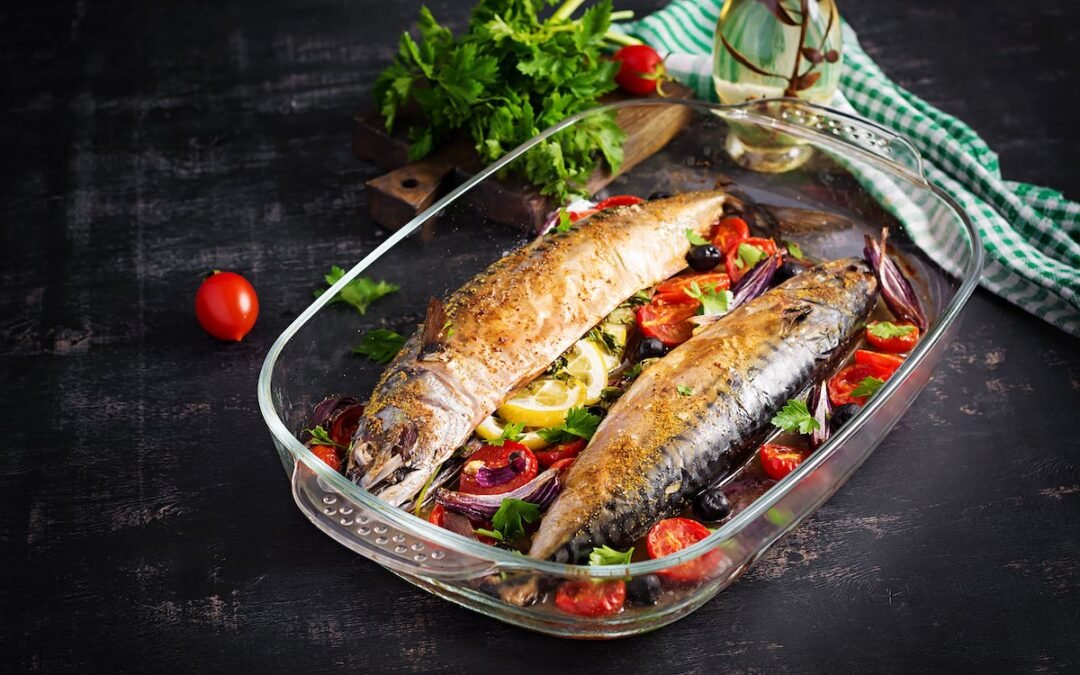
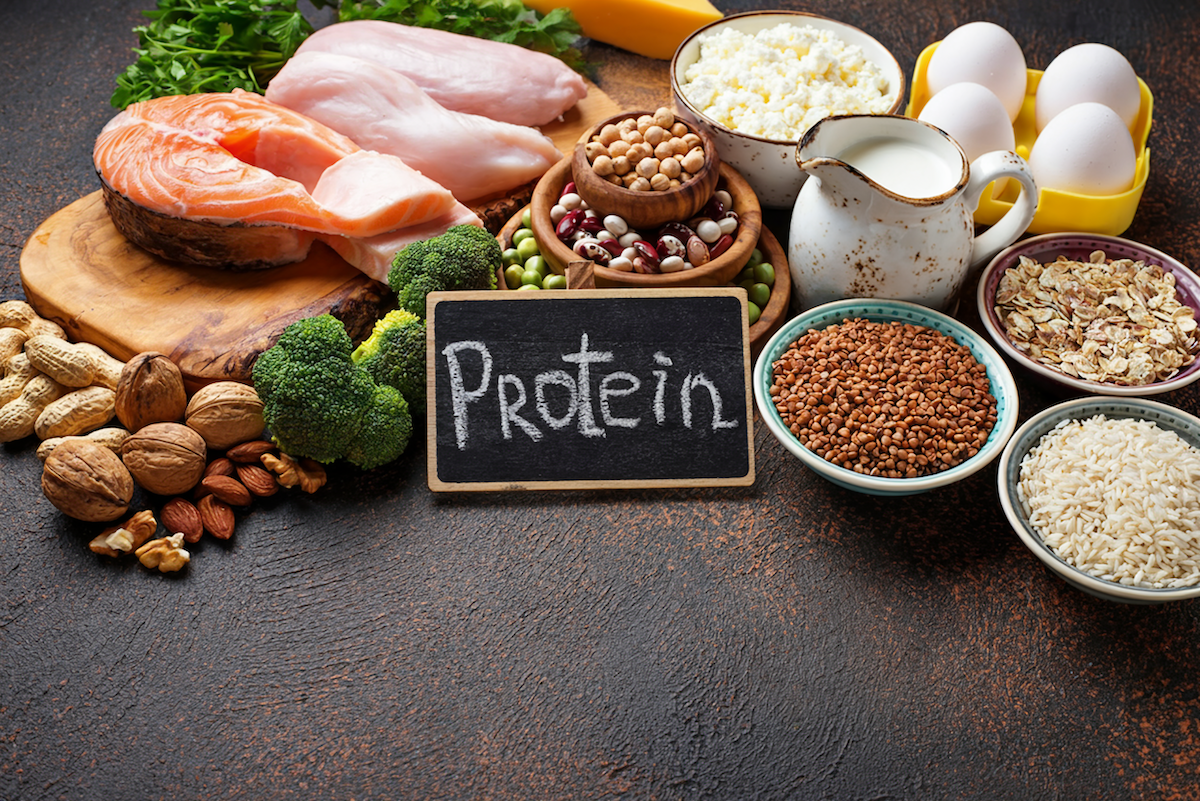
- Fish: Fatty fish like salmon, mackerel, and sardines are packed with protein and omega-3 fatty acids, which are beneficial for heart health and reducing inflammation.
- Poultry: Chicken and turkey, especially when grilled, baked, or roasted, provide lean protein.
- Legumes: Beans, lentils, and chickpeas are excellent sources of plant-based protein and fiber. They help regulate blood sugar and keep you feeling full.
- Complete Proteins: The Mediterranean diet includes sources of complete proteins, which contain all nine essential amino acids. Eggs, fish, and some dairy products provide complete proteins.
- Plant-Based Protein Combinations: For those following a more plant-based approach, combining different plant-based protein sources (like beans and rice or lentils and whole-wheat bread) can help ensure you get all the essential amino acids. Quinoa and buckwheat are also plant-based foods that contain complete proteins.
Healthy Fats: Olive oil, nuts, and seeds, staples of the Mediterranean diet, provide healthy fats that are important for overall health and can enhance the absorption of certain nutrients.
Imagine feeling stronger, more energetic, and confident in your body’s ability to support you through your 40s, 50s, and beyond. Picture yourself enjoying delicious, satisfying meals that nourish your body and help you manage your health concerns. By embracing a protein-rich Mediterranean diet and lifestyle, you can:
- Preserve and Build Muscle Mass: Maintain your strength and mobility, making it easier to stay active and independent.
- Boost Your Metabolism: Support a healthy metabolism, which can aid in weight management.
- Improve Your Energy Levels: Feel more energized and less fatigued throughout the day.
- Support Your Immune System: Give your body the building blocks it needs for a strong immune response.
- Manage Chronic Conditions: Improve your blood sugar control, blood pressure, and cholesterol levels.
- Enjoy a Delicious and Sustainable Way of Eating: The Mediterranean diet is known for its flavorful meals and emphasis on whole, unprocessed foods.
Ready to experience the transformative power of protein and the Mediterranean diet? What’s one protein-rich food from the Mediterranean diet that you’ll incorporate into your meals this week? Share your ideas and questions in the comments below! We’re here to help you on your journey to better health. And if you want to learn how to fully embrace the Mediterranean lifestyle for optimal well-being, join the Mediterranean MD online program with Dr. Alex. You’ll get expert guidance and a supportive community to help you thrive!