
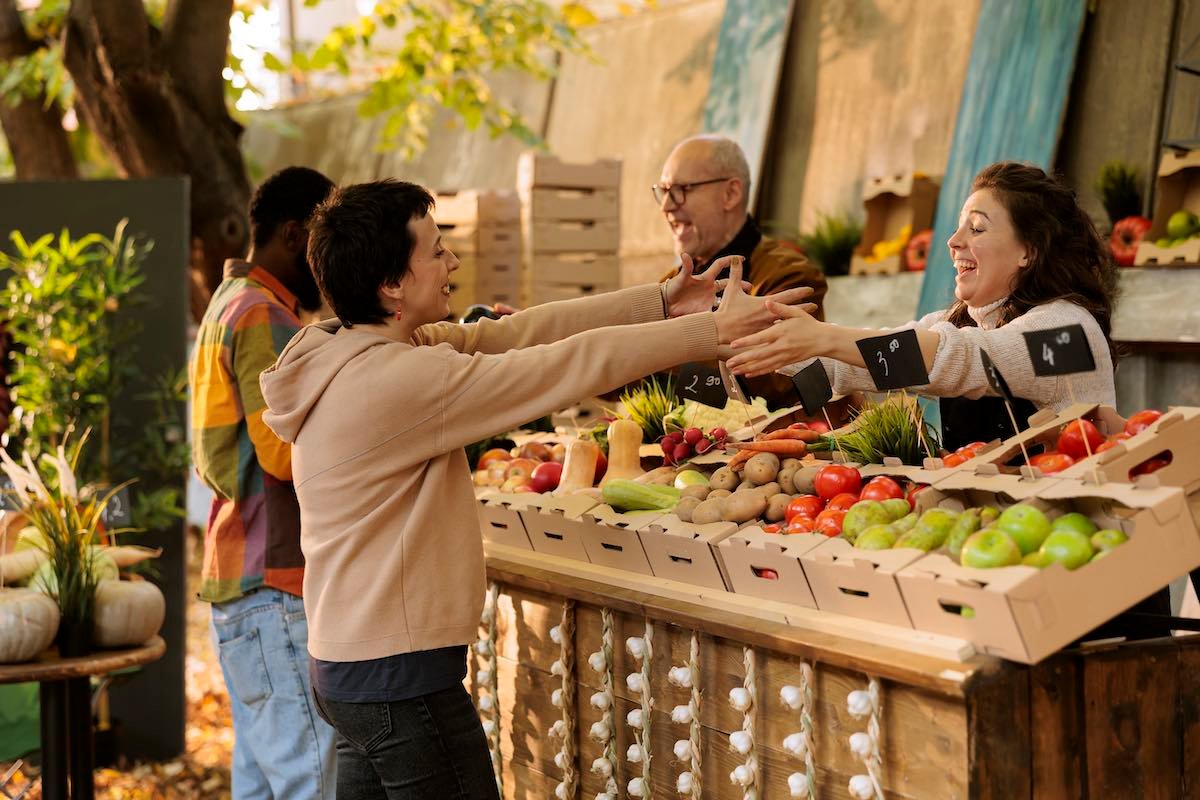
Trying to make healthier food choices? You’re likely paying more attention to what you eat, aiming for nutritious foods that support your well-being. But navigating the grocery store aisles can be overwhelming. You see produce flown in from across the globe, available year-round, and it’s tempting to grab whatever looks good, regardless of the season. Many Americans are disconnected from the origins of their food, unaware of the impact their choices have on their health and the environment. You might be wondering if those out-of-season strawberries are really worth the price, both financially and nutritionally.
Relying on a diet of primarily imported, out-of-season produce can have hidden consequences. These fruits and vegetables often lack the flavor and nutritional punch of their locally grown, seasonal counterparts. They’re often picked before they’re ripe to withstand long-distance transport, which compromises their taste and nutrient content. Furthermore, the environmental cost of shipping produce across vast distances is significant, contributing to carbon emissions and pollution. You might also be missing out on the opportunity to support local farmers and your community’s economy. And let’s face it, out-of-season produce can be expensive, putting a strain on your grocery budget. These choices, though seemingly small, can add up to problems that we may not immediately think about.
What if there was a way to enjoy incredibly flavorful, nutrient-rich produce while also supporting your local community and being kinder to the planet? There is! It is embracing the principles of local, seasonal eating, a core tenet of the Mediterranean diet. This approach emphasizes consuming fruits and vegetables that are grown in your region and harvested during their natural growing season. The Mediterranean diet and lifestyle isn’t just about what you eat; it’s also about where your food comes from and when it’s at its peak. This means that certain foods may not always be available, but there are always healthy, delicious options that are in season.
Why Choose Local, Seasonal Produce?
- Superior Taste: Produce picked at the peak of ripeness bursts with flavor. Think of a juicy, sun-ripened tomato in August versus a pale, bland tomato in January. There’s simply no comparison!
- Enhanced Nutrition: Fruits and vegetables begin to lose nutrients shortly after they’re harvested. Local, seasonal produce reaches your table faster, maximizing its vitamin and mineral content. Studies have shown that produce grown in season can have higher levels of certain nutrients.
- Environmental Benefits: Reducing the distance your food travels shrinks your carbon footprint. Choosing local produce supports sustainable farming practices and reduces the need for long-term refrigeration and transportation.
- Economic Benefits: Buying local strengthens your community’s economy by supporting local farmers and businesses.
- Cost-Effective: In-season produce is often more abundant and therefore more affordable.
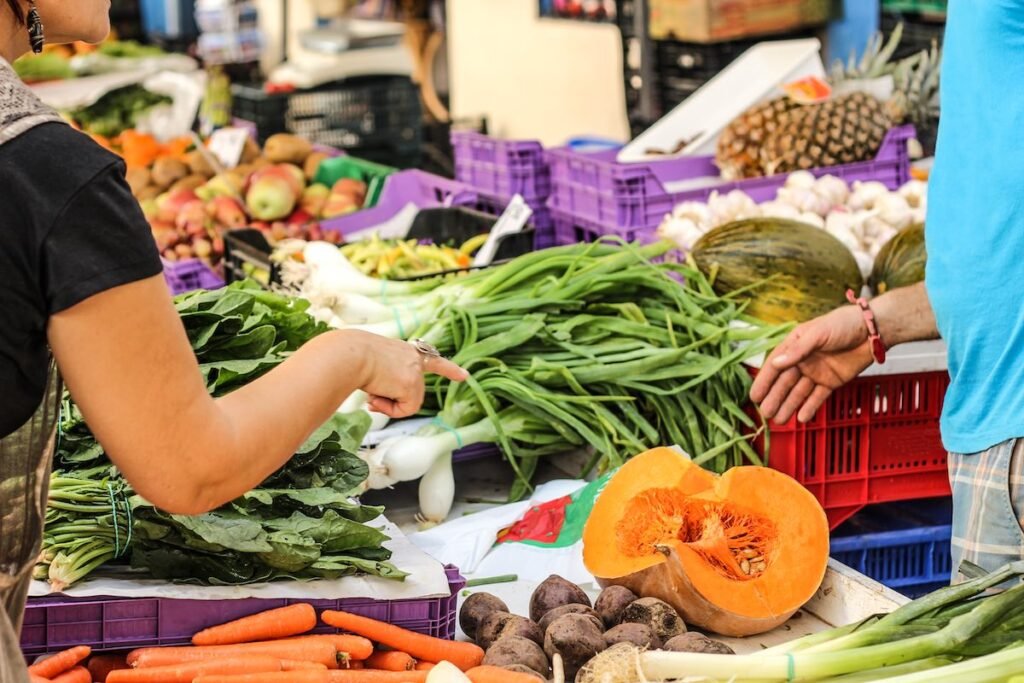
The Mediterranean Diet: A Celebration of Seasonality
The Mediterranean diet is a perfect example of how to embrace seasonal eating. Traditional Mediterranean cultures have always relied on the bounty of their local land, enjoying fruits and vegetables at their peak flavor and nutritional value. Here’s how the seasons shape a Mediterranean diet meal plan:
- Spring: Artichokes, asparagus, spinach, peas, strawberries, and cherries.
- Summer: Tomatoes, peppers, eggplant, zucchini, cucumbers, melons, peaches, apricots, and berries.
- Fall: Grapes, pomegranates, figs, apples, pears, broccoli, cauliflower, and Brussels sprouts.
- Winter: Citrus fruits (oranges, lemons, grapefruits), kale, cabbage, carrots, and root vegetables.
Imagine savoring the incredible flavor of truly fresh, in-season produce. Picture yourself feeling good about supporting local farmers, reducing your environmental impact, and nourishing your body with the most nutrient-rich foods available. By embracing local, seasonal eating as part of a Mediterranean lifestyle, you can:
- Elevate Your Meals: Experience a whole new level of flavor and enjoyment in your cooking.
- Boost Your Nutrient Intake: Maximize the vitamins, minerals, and antioxidants you get from your food.
- Support Sustainable Practices: Make choices that are better for the planet and your community.
- Save Money: Enjoy affordable, in-season produce that’s both delicious and budget-friendly.
- Connect with Your Food: Develop a deeper appreciation for where your food comes from and the natural rhythms of the seasons.
- Improve Your Overall Health: A diet rich in seasonal fruits and vegetables is linked to a lower risk of chronic diseases, including heart disease, type 2 diabetes, and certain cancers. It also promotes gut health.
Ready to experience the delicious and transformative power of local, seasonal eating? What’s one seasonal fruit or vegetable that’s available in your area right now that you’ll try this week? Visit a local farmer’s market this week! Share your favorite seasonal recipes and tips in the comments below! We’re here to support you on your journey to a healthier, more vibrant life. And if you’re excited to fully embrace the Mediterranean diet and discover how to make seasonal eating a delicious and sustainable part of your lifestyle, join the Mediterranean MD online program with Dr. Alex. You’ll get expert guidance and a supportive community to help you thrive!